

Case Studies
Explore real AMBIAGRO installations across Portugal.
Quinta do Outeiro Agrometeorological Station
Coimbra, Portugal
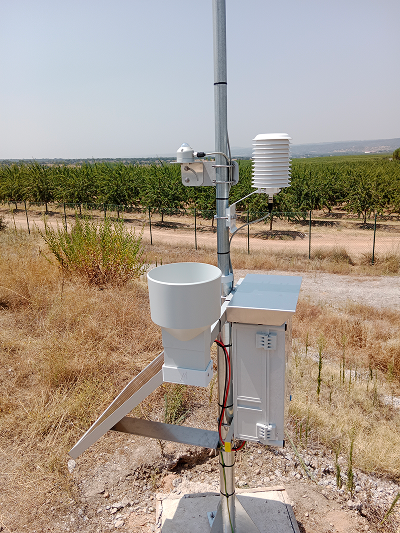
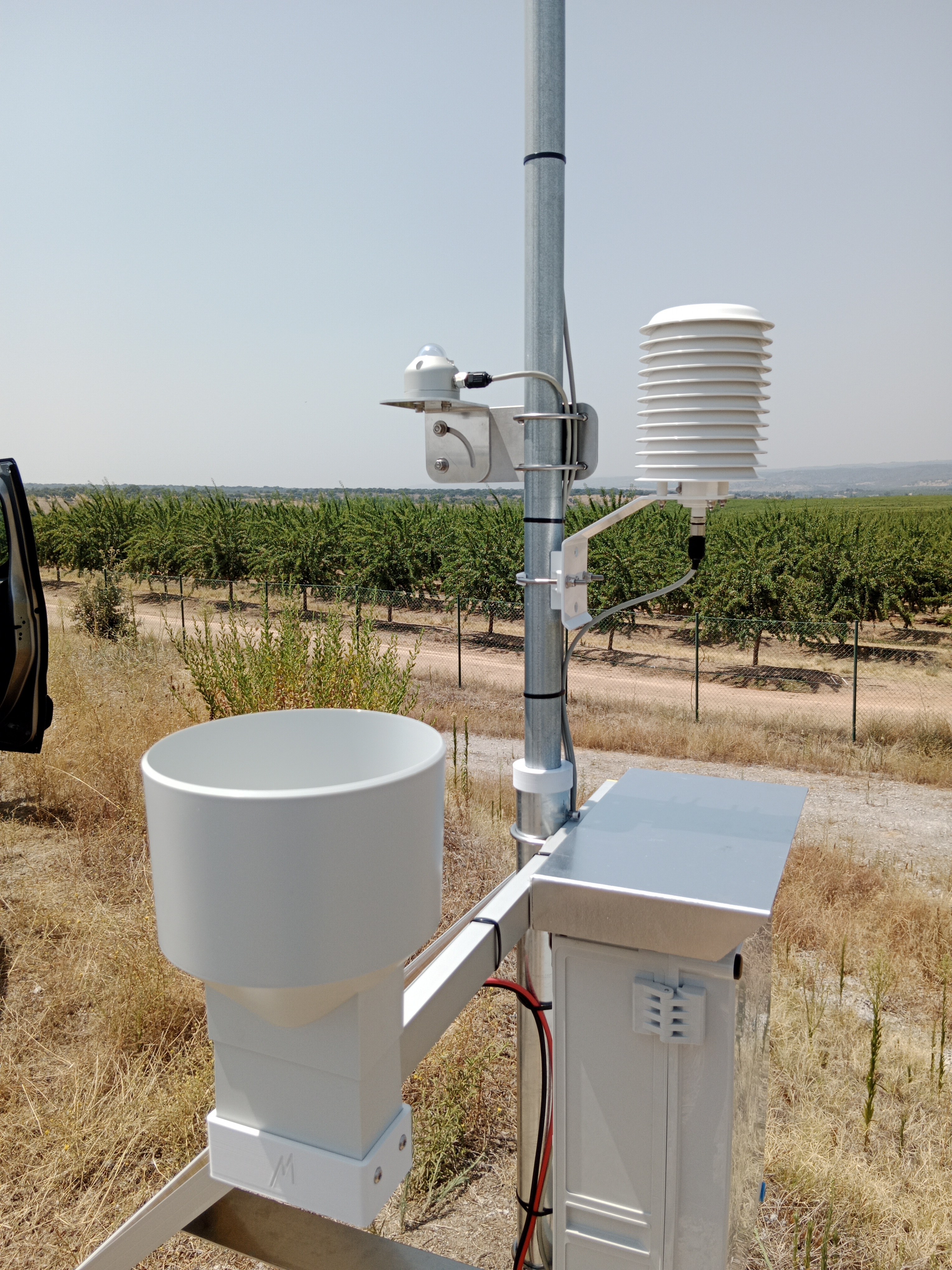
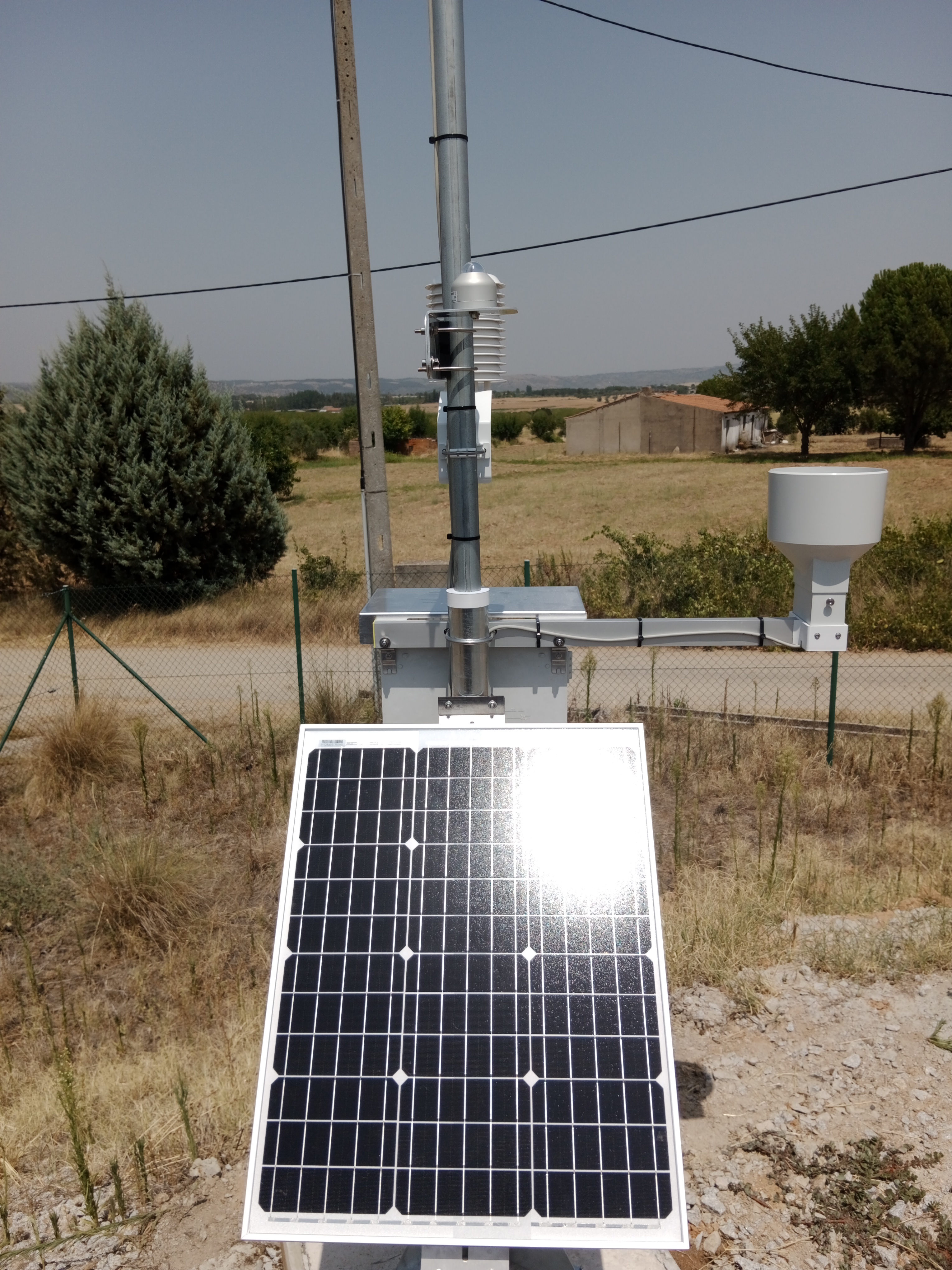
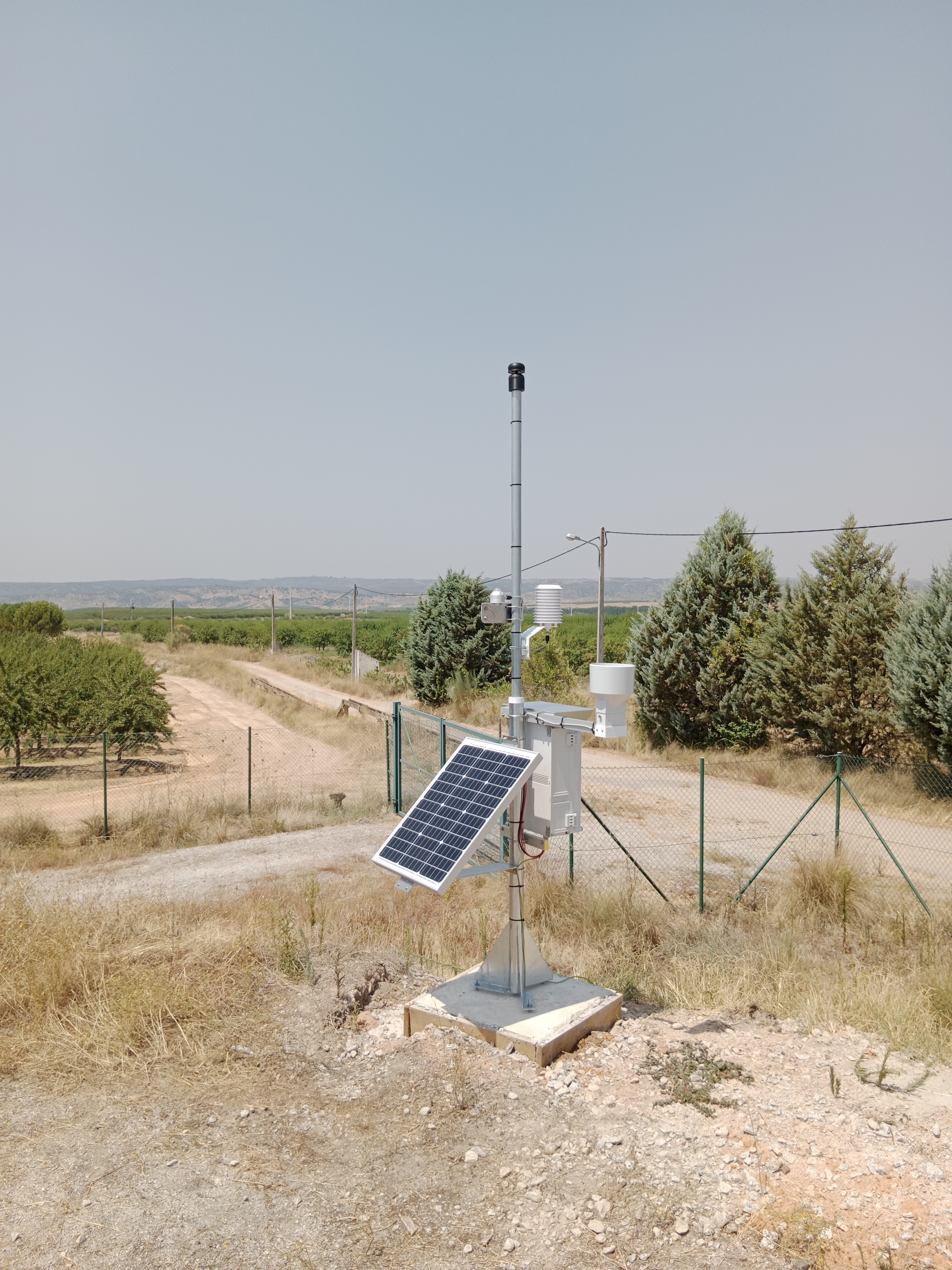
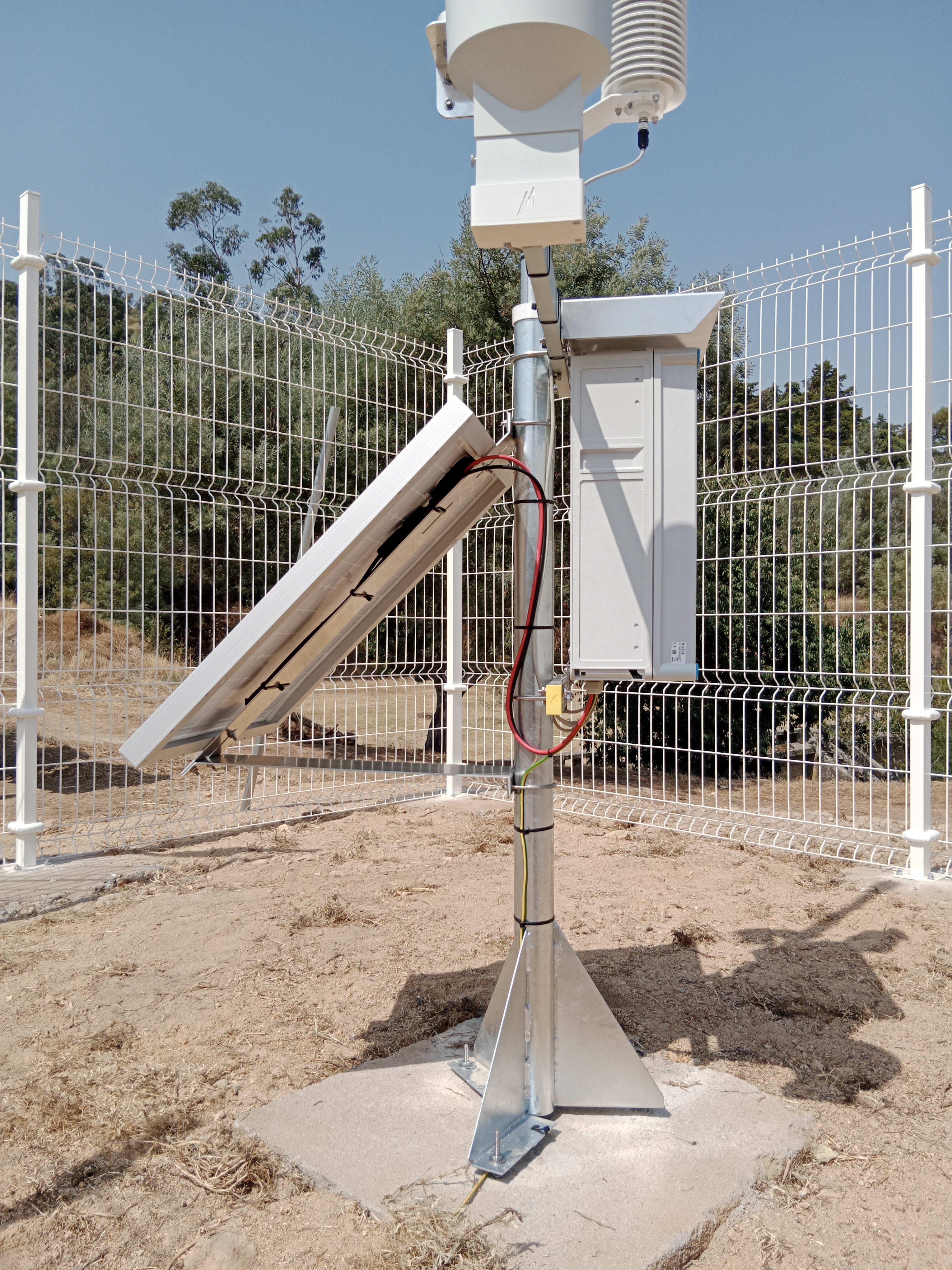
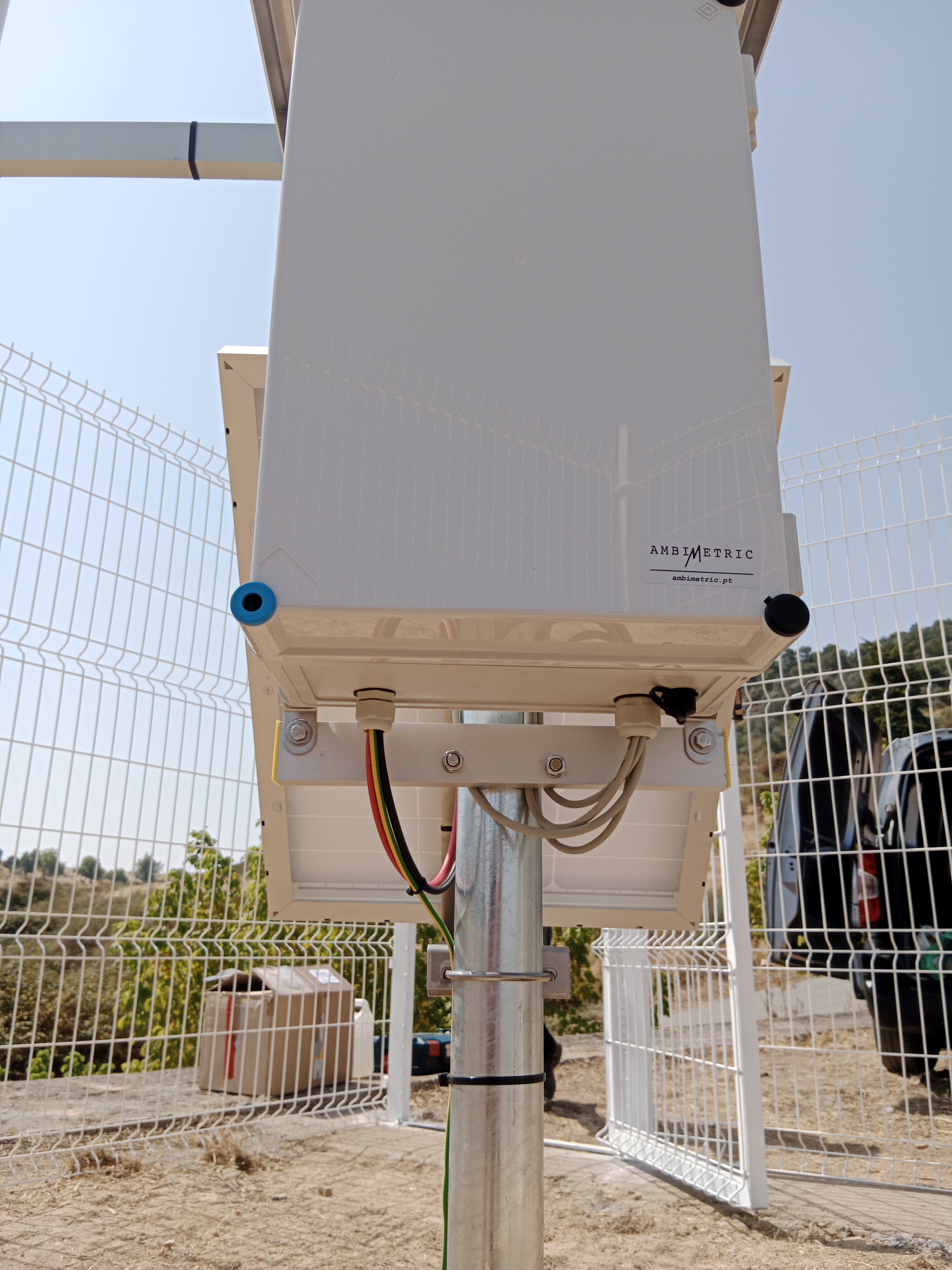
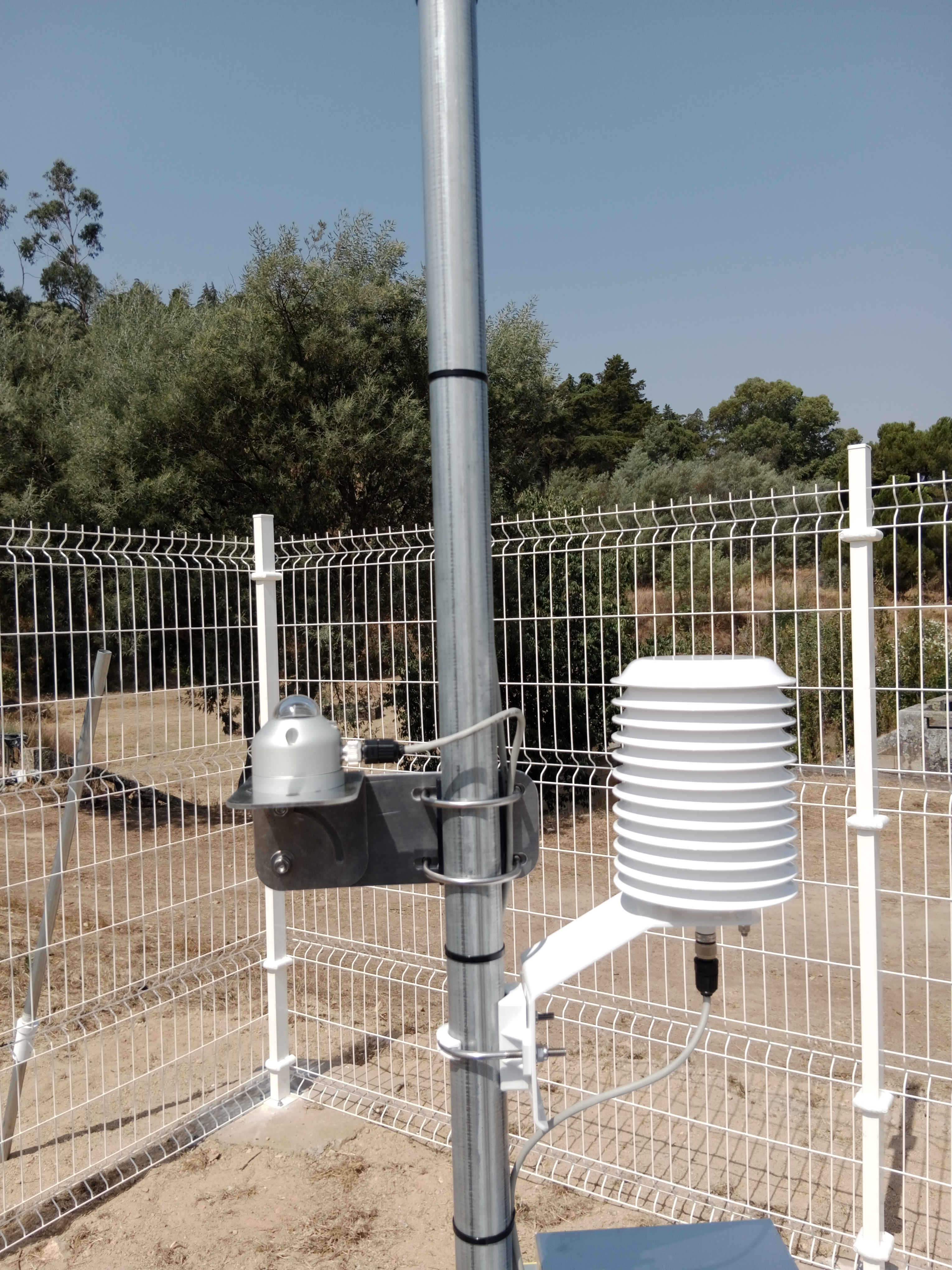
The AmbiAgro Station at Quinta do Outeiro is a prototype developed by Ambimetric for high-resolution agrometeorological monitoring, designed to support precision agriculture applications and advanced decision-support systems. Installed in August 2024 at Outeiro do Botão, Coimbra, the station sits on land adjoining a vineyard plot of roughly 0.5 hectares, allowing local microclimate conditions with a direct impact on the crop to be assessed.
The project was conceived as a testing and technology validation platform, intended at once to consolidate the hardware, sensors, management software and processing algorithms specific to the agricultural sector, with a view to their subsequent commercial deployment.
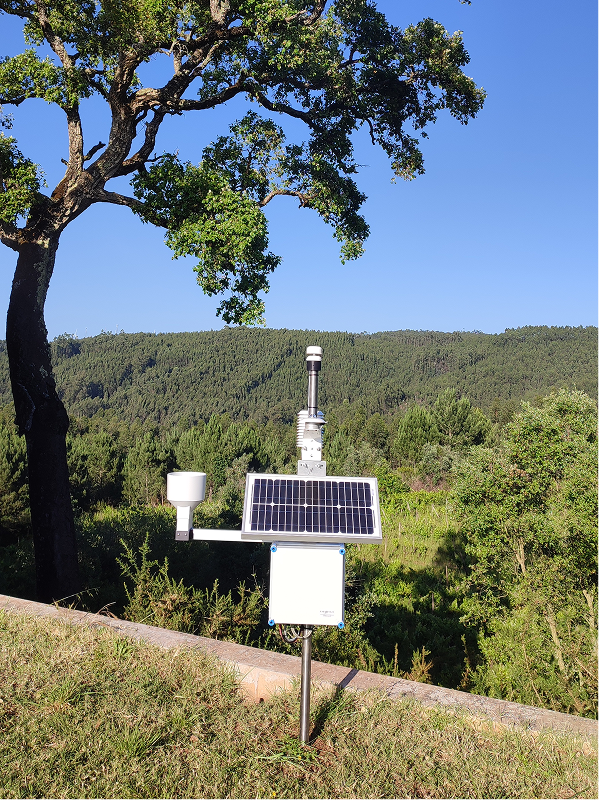
- Air temperature and relative humidity;
- Leaf wetness;
- Atmospheric pressure;
- Rainfall;
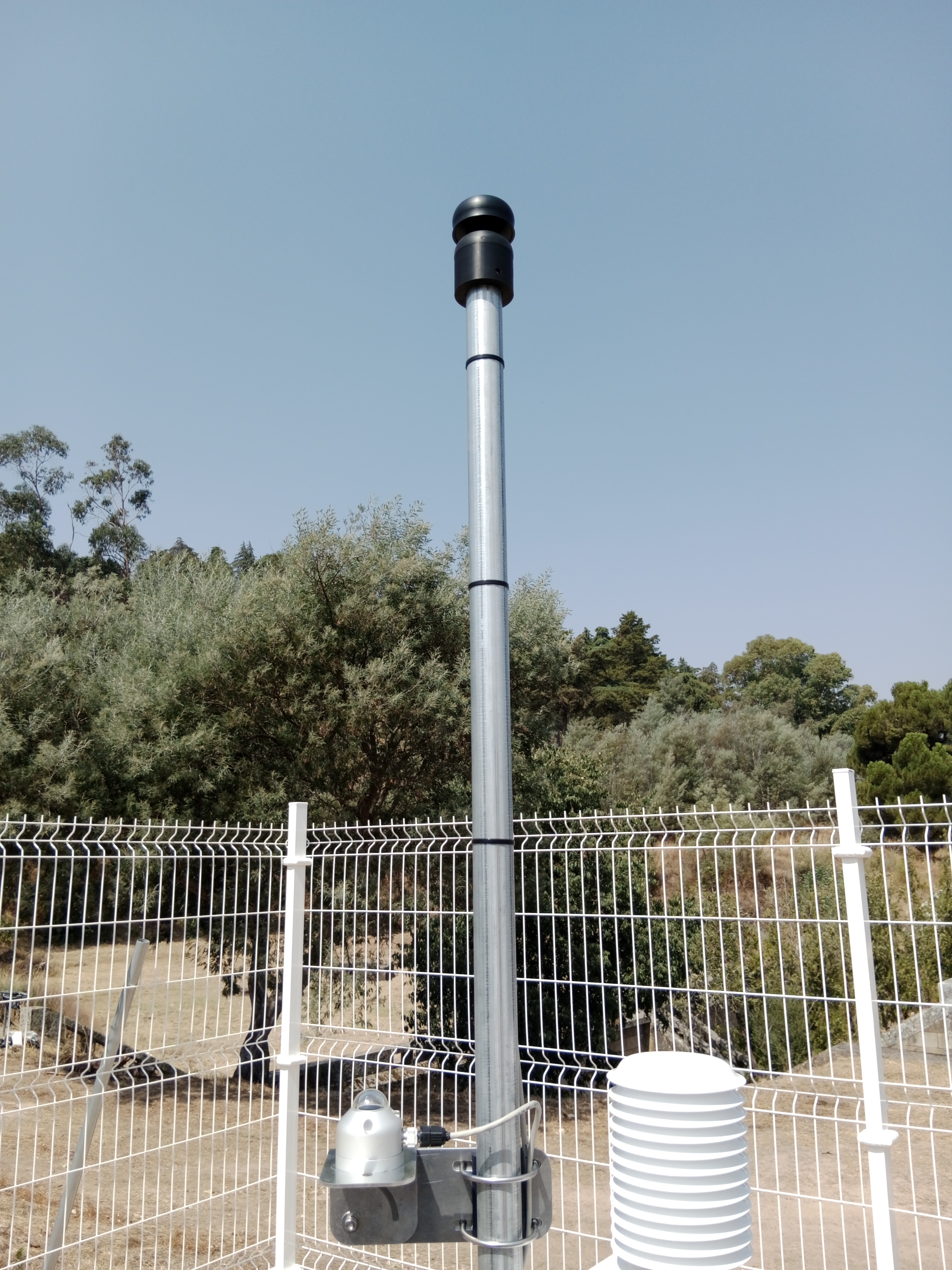
- Wind speed and direction;
- Global solar radiation.
- Dew point;
- Sunshine duration;
- Reference evapotranspiration;
- Atmospheric pressure reduced to mean sea level;
- Rainfall intensity;
- Accumulated solar radiation.
Data is collected every 10 seconds and transmitted automatically every 10 minutes over the GSM network to the AmbiDS cloud platform, where it is stored, processed and integrated into the agricultural module developed by Ambimetric.
The main objectives behind deploying the AmbiAgro Station were to:
- Strengthen local climate monitoring in an agricultural setting;
- Validate the operational performance of the sensors and the data acquisition architecture;
- Consolidate the dedicated data acquisition software;
- Consolidate the Agricultural Module software within the AmbiDS application (testing and optimising processing algorithms specific to agricultural applications);
- Support the development of features associated with precision agriculture;
- Create a reference infrastructure for future deployments on working farms.
Continuous operation of the station made it possible to validate the robustness of the technology under real field conditions, ensuring the systematic collection of environmental data at high temporal resolution.
The main benefits identified include:
- Consolidation of AmbiAgro as an integrated agricultural monitoring platform;
- Improved traceability of meteorological and environmental data;
- Structured information made available to support agronomic decision-making;
- Support for the development of agroclimatic indicators and models;
- A contribution towards meeting the technical and regulatory requirements associated with managing and demonstrating environmental conditions;
- Foundations laid for future applications in plant health monitoring, water management and the optimisation of crop practices.
The AmbiAgro Station demonstrated the technical viability of an integrated agrometeorological monitoring solution for the agricultural sector.
Combining environmental sensors, automatic data transmission, cloud processing and integration with specialised applications made it possible to consolidate the platform's core technological components.
The project is a significant step towards delivering precision agriculture tools capable of supporting more efficient, traceable and sustainable management of farms.
System installed
Escaroupim Agrometeorological Station
Santarém, Portugal
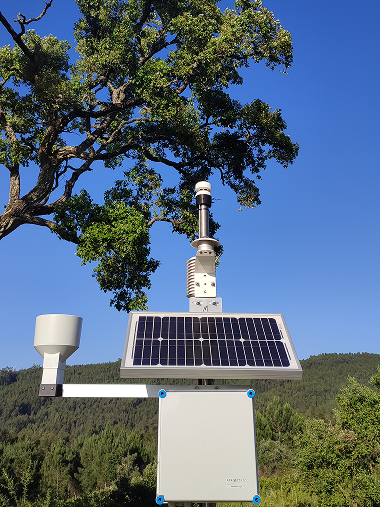
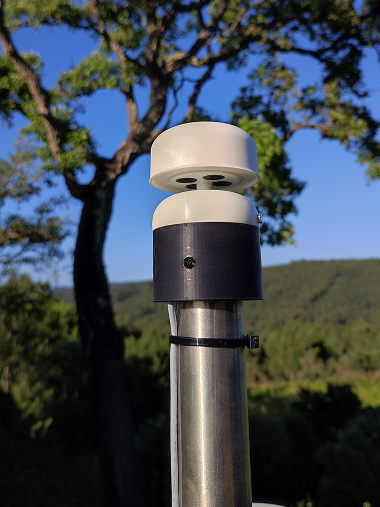
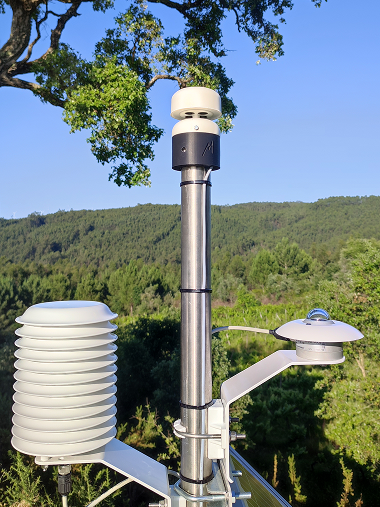
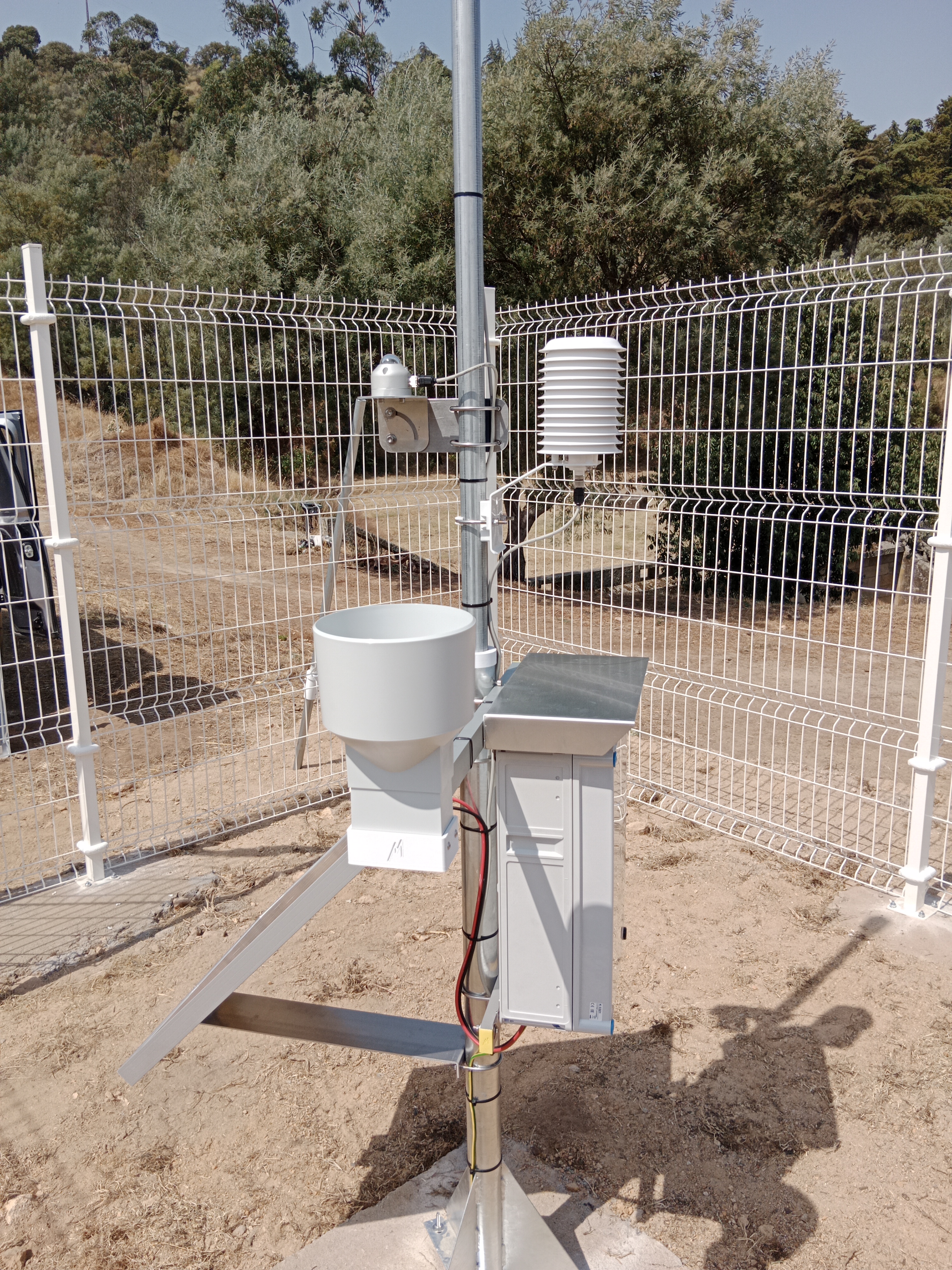
As part of the work carried out by the Plant Health Resources Directorate of the Portuguese Directorate-General for Food and Veterinary Affairs (DGAV), an agrometeorological station integrated into the digital agricultural application (the AmbiAgro system) was installed at the Escaroupim Experimental Farm, in Salvaterra de Magos. The infrastructure entered service in March 2025, strengthening the agroclimatic monitoring capacity and technical support available for the experimental and research work carried out at this unit. This was the first field installation of the AmbiAgro system and therefore marked the consolidation of the project.
Installing the AmbiAgro station forms part of a strategy to modernise observation and environmental data collection systems, promoting better-informed and more sustainable management of agricultural resources.
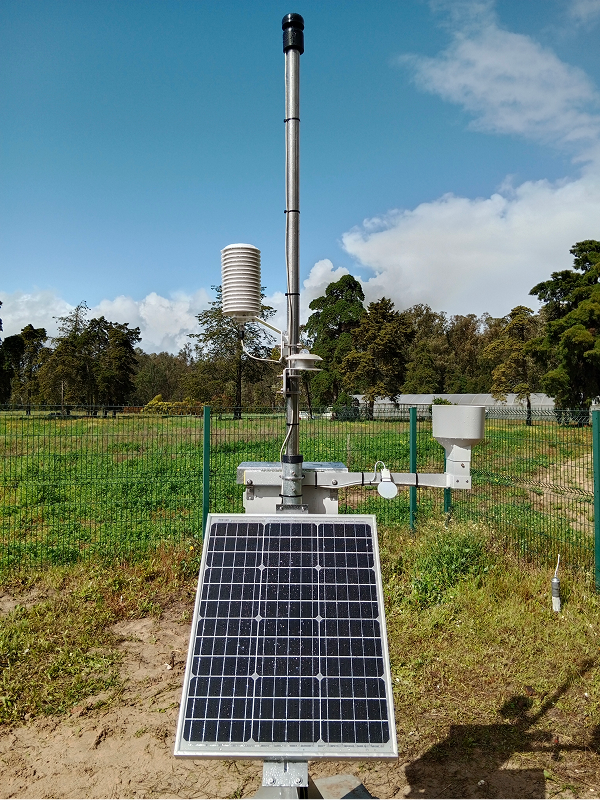
- Air temperature and relative humidity;
- Leaf wetness;
- Rainfall;
- Wind speed and direction;
- Global solar radiation;
- Soil temperature and moisture.
This combination of parameters provides a detailed characterisation of the agricultural environment, yielding information relevant to analysing the interactions between climate, soil and crop development.
Data is collected and transmitted automatically over the GSM network to Ambimetric's central cloud platform (AmbiDS), where it is processed and integrated into the agricultural application.
The station was deployed primarily to strengthen climate monitoring at the Escaroupim Experimental Farm, ensuring the availability of reliable local data at high temporal resolution to support technical and experimental work.
The infrastructure additionally contributes to:
- Improving knowledge of the farm's agroclimatic conditions;
- Supporting the assessment of environmental factors influencing plant health;
- Providing information for agronomic studies and experimental trials;
- Promoting the adoption of more sustainable, evidence-based agricultural practices.
The continuous availability of meteorological and soil data is a strategic tool for agricultural management and for carrying out experimental work and technical demonstrations.
The main expected benefits include:
- Better quality of the information used in decision-making;
- Support for the efficient management of natural resources;
- Stronger monitoring of conditions favourable to the development of harmful biotic agents;
- A contribution to increased agricultural productivity through better adaptation of crop practices to local conditions;
- Promotion of environmental sustainability through more rational use of production inputs.
The AmbiAgro station installed at the Escaroupim Experimental Farm represents a significant investment in DGAV's technical and scientific capacity, providing high-quality agroclimatic information to support monitoring, experimentation and agricultural management.
Quantitative results regarding its impact are currently being tracked; the information collected is expected to contribute to greater sustainability and efficiency in agricultural production systems.
System installed
ARBI — Idanha-a-Nova Irrigators and Beneficiaries Association
Castelo Branco, Portugal
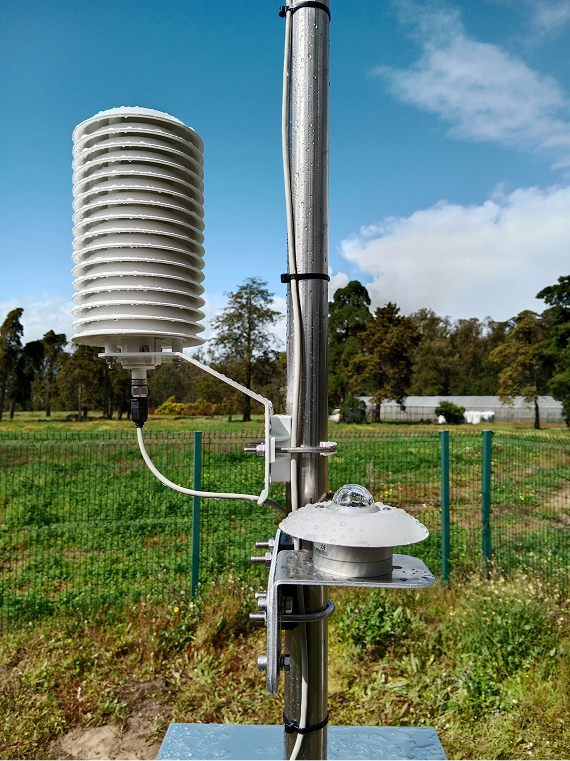
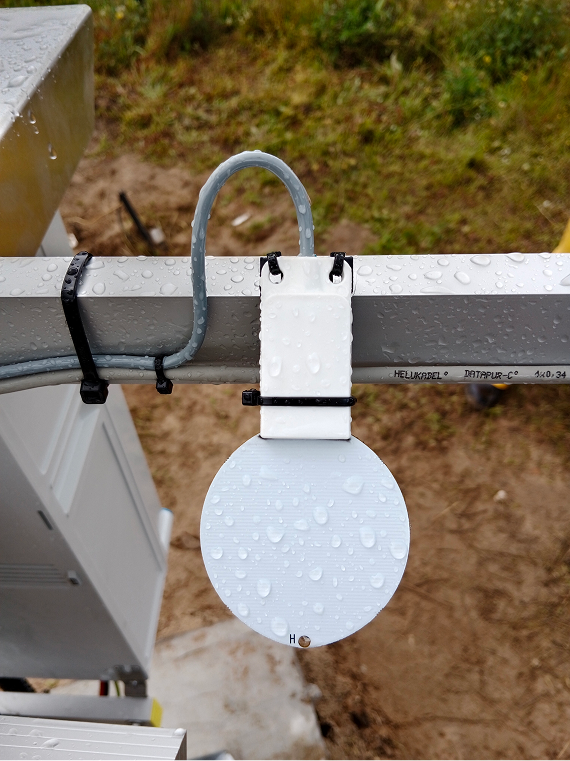
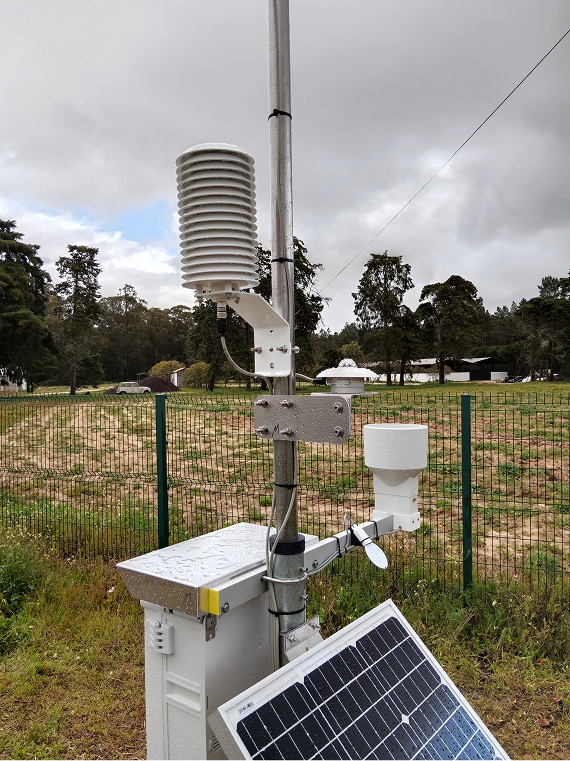
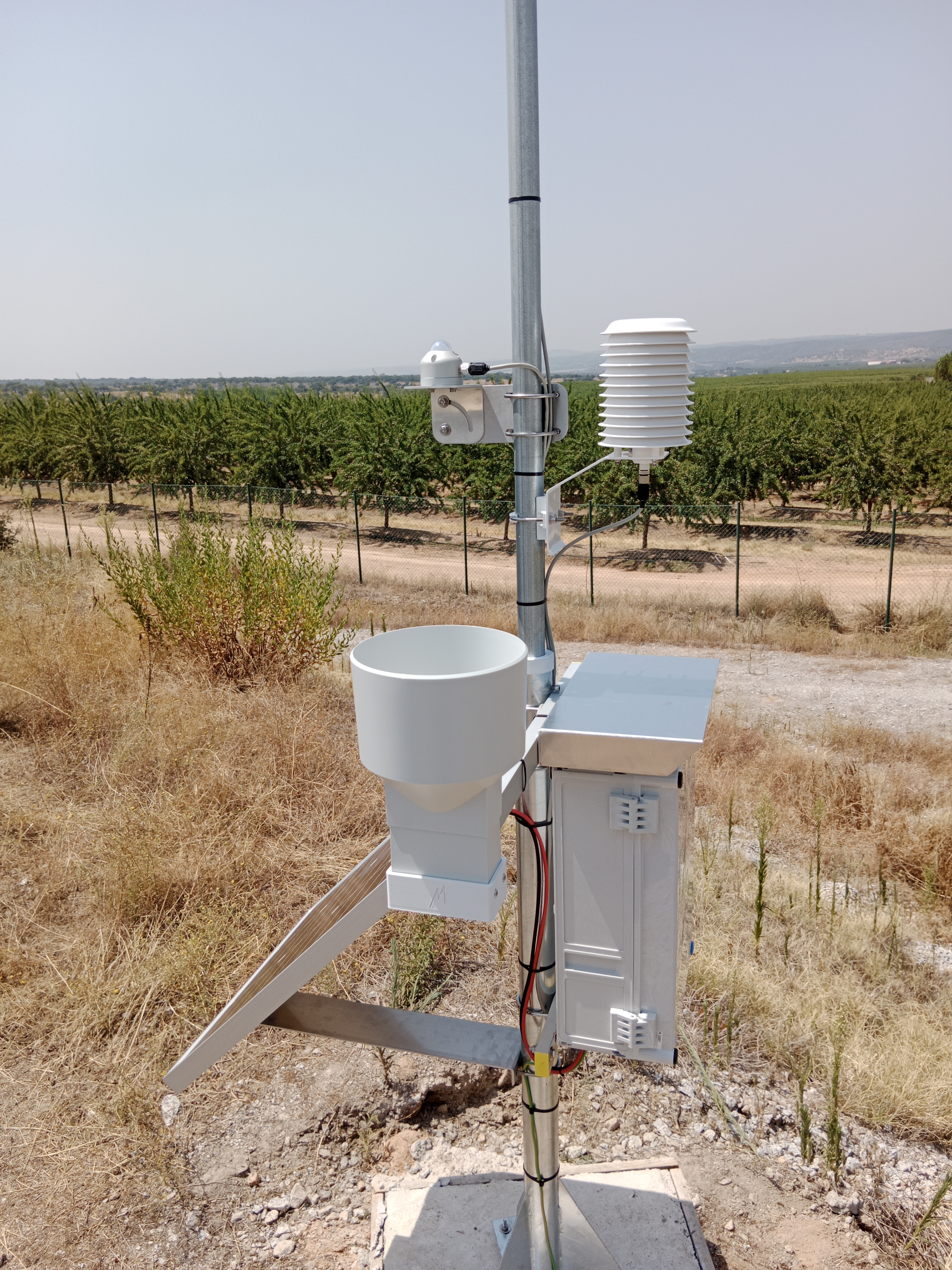
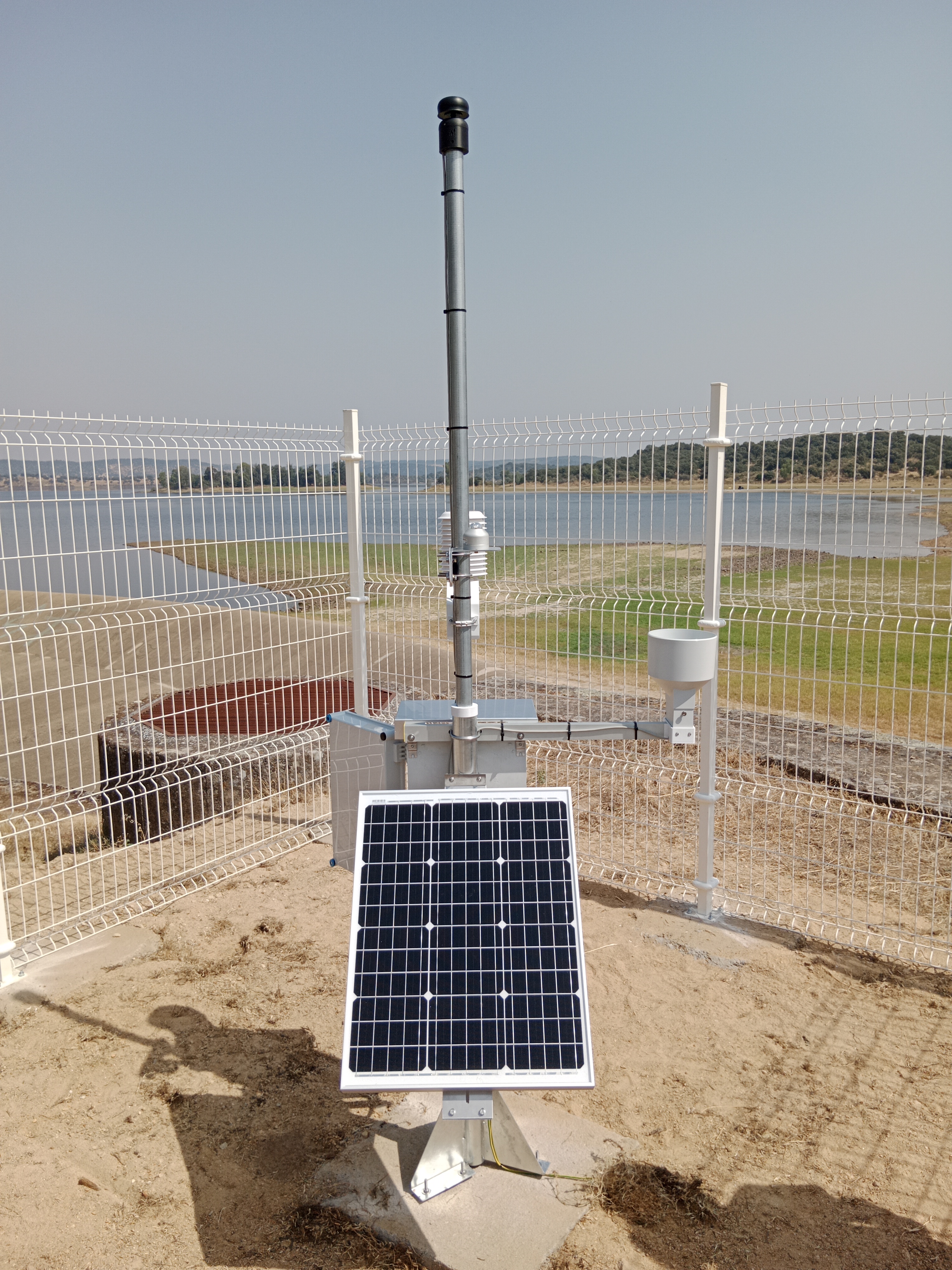
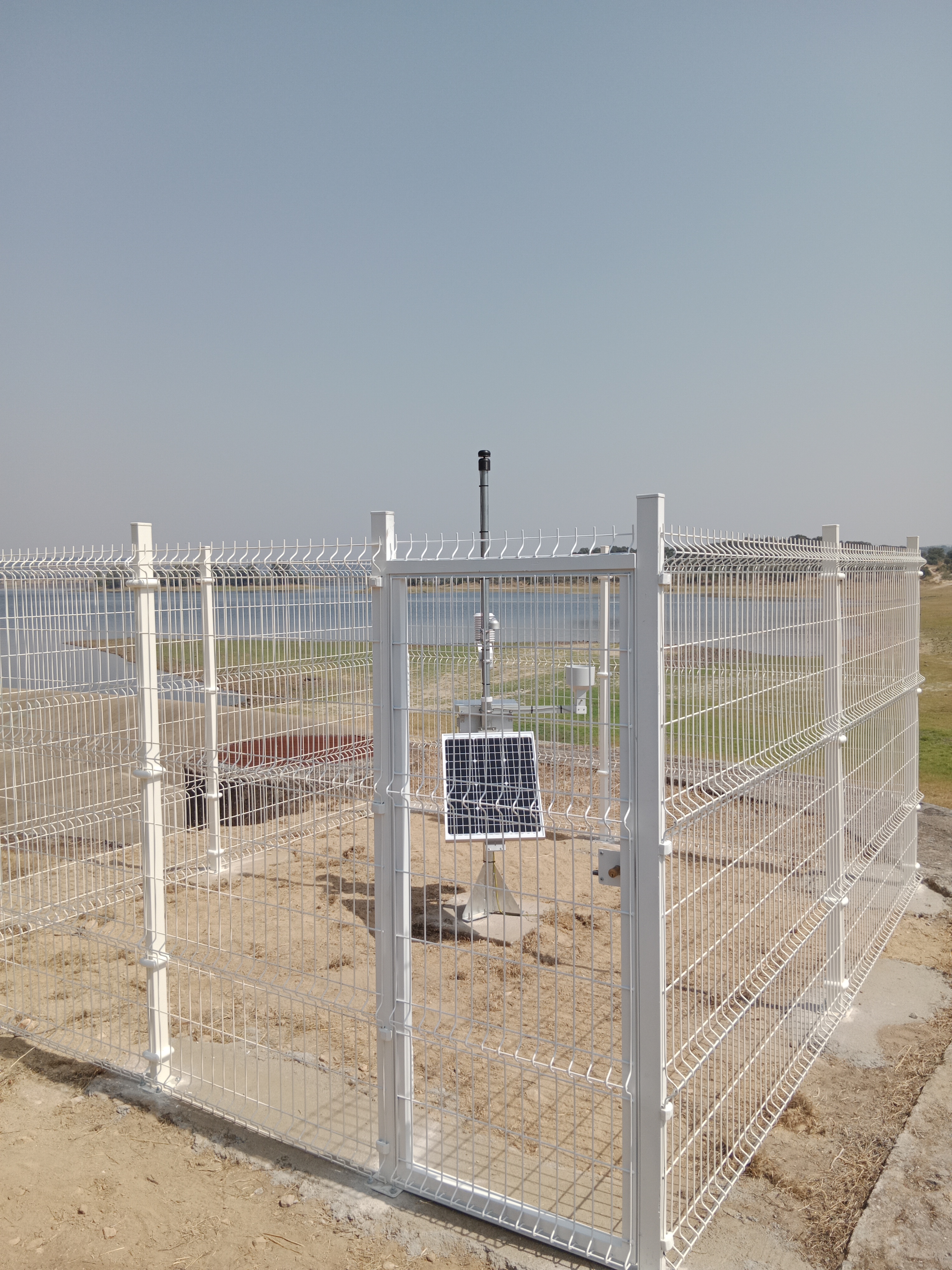
The Idanha-a-Nova Irrigators and Beneficiaries Association (ARBI) deployed two automatic agrometeorological systems integrated into a digital agricultural application (the AmbiAgro system), complementing two existing installations, with the aim of improving irrigation management efficiency and promoting more sustainable farming practices: the Lomba station and the Barragem station.
Set against a background of growing water scarcity, climate variability and pressure on natural resources, the project responded to the need for reliable, real-time local meteorological data. The solution enables farmers and technicians to make informed decisions, tailored to the specific conditions of the territory.
- Air temperature and relative humidity
- Rainfall
- Wind speed and direction
- Global solar radiation
- Improved irrigation efficiency and optimised energy use
- Decision-making supported by objective data
- Greater farm resilience in the face of extreme weather events
- Real-time and historical meteorological data
- Alarms
- Agronomic indicators such as reference evapotranspiration (ET0), daily sunshine duration and others
- Custom reports
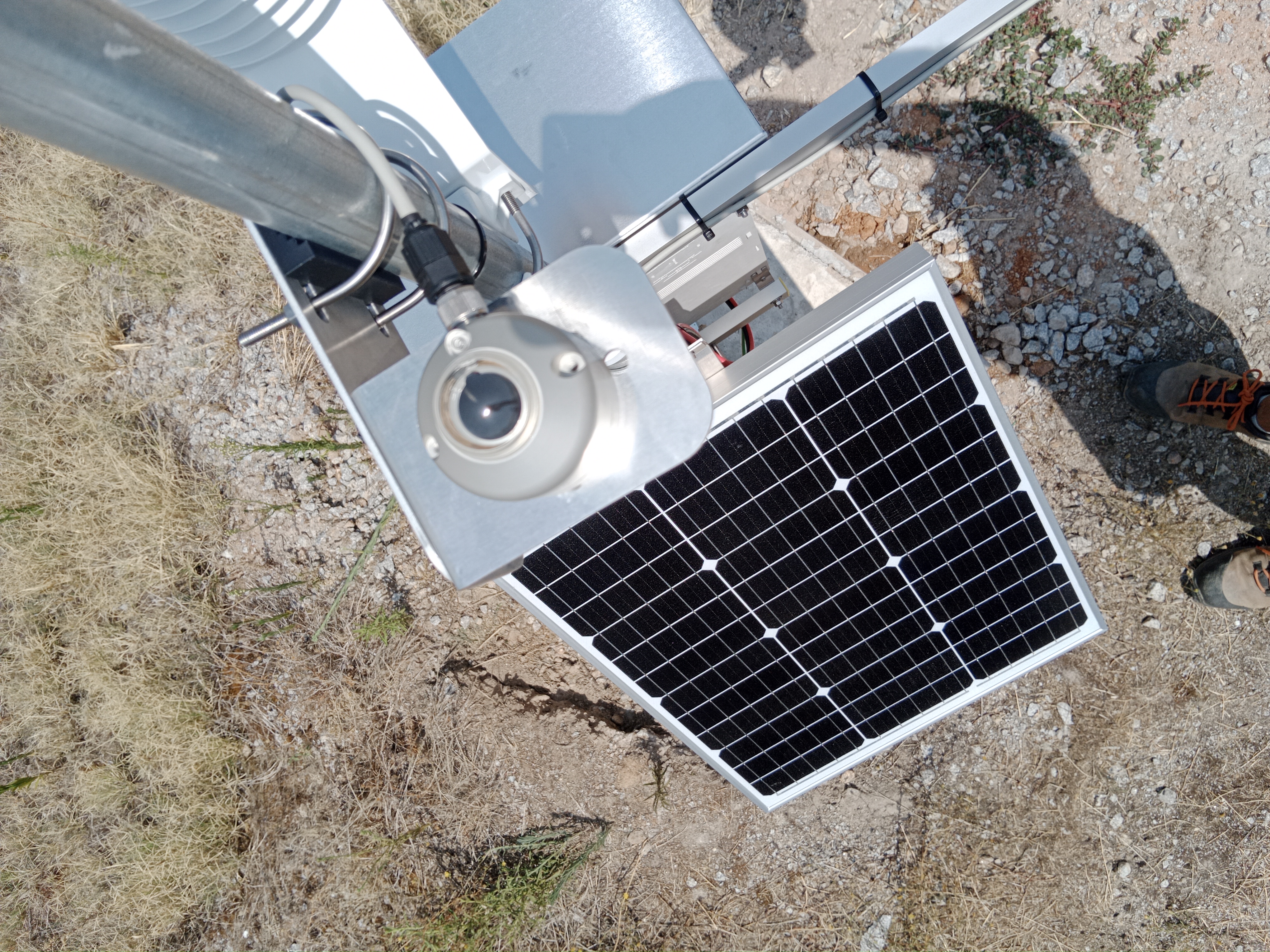
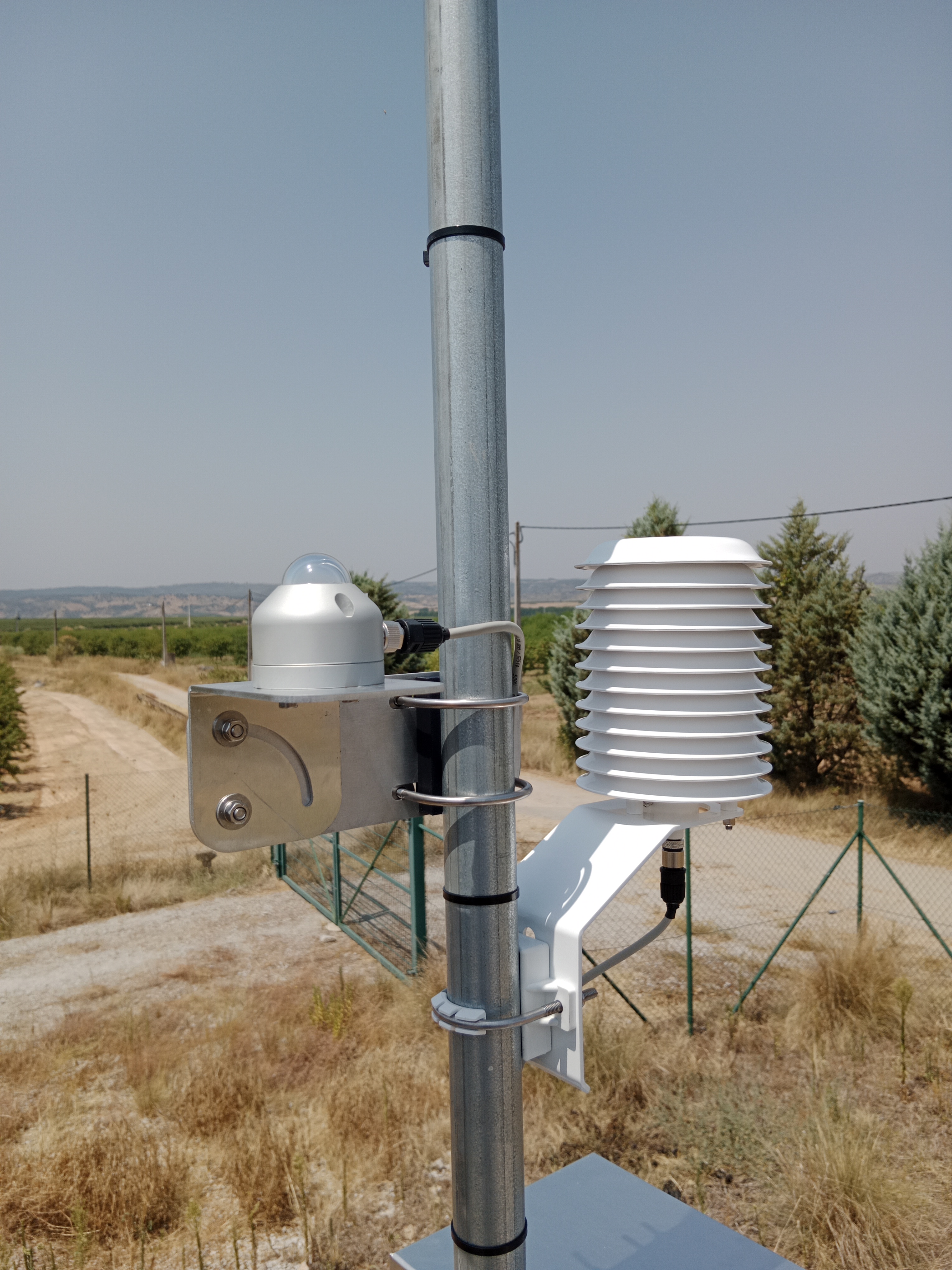
The AmbiAgro stations installed continuously monitor critical parameters, including air temperature, relative humidity, rainfall, wind, solar radiation, and soil temperature and volumetric water content. The data is collected at high frequency and transmitted automatically over the GSM network to Ambimetric's central cloud platform (AmbiDS), where it is processed and integrated into the agricultural application.
The project also contributed to the digitalisation of the local agricultural sector and to the adoption of practices aligned with the principles of precision agriculture.
The experience demonstrated the importance of integrating technology, data and user training, making the overall outcome clearly positive.
In short, this project is a compelling example of technology applied in the service of agricultural sustainability, with a direct impact on water use efficiency and on the competitiveness of the sector.
Systems installed
Take the next step with AMBIAGRO
Talk to us and receive a quote tailored to the needs of your land.
Request a Quote